
Using Dash Cam Footage as Evidence in a Washington Auto Claim
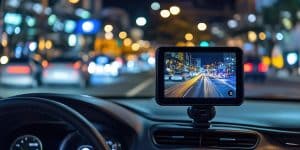 If you were in a car accident and are now seeking damages, you may be able to use dash cam footage to support your claim. Reviewing how this footage can be used, and working with a Washington car accident lawyer, may make it easier for you to pursue the damages available in your case.
What makes dash cam footage admissible evidence in a Washington auto claim?
In order for dash cam footage to be considered admissible evidence in a Washington auto claim, certain criteria must be satisfied before the footage is introduced, including:
- Your dash cam footage must comply with the rules of evidence. Washington requires all-party consent to record private conversations. Audio recordings made in violation of this law are generally inadmissible.
- Your dash cam footage must be relevant to the claim. If it shows the accident that led to the auto claim, it would likely be considered relevant.
- Your dash cam footage must be authentic and unaltered. If it contains audio added after recording or random cuts to other footage, it will likely be considered inauthentic and/or altered.
- Your dash cam footage must be clear and reasonably easy to understand. If the footage is so unclear that it’s misleading or confusing, the court may exclude it.
How can dash cam footage help your case?
If you are seeking damages for an auto claim, your dash cam footage can be very useful. Some of the most notable ways dash cam footage can help your case include:
- Establishing the identities and vehicles involved. If an individual crashed into your vehicle, your dash cam footage could show this individual’s car crashing into yours.
- Supporting specific claims or your version of what happened. If a driver struck your car while speeding through a red light, your dash cam footage could prove that this event occurred.
- Proving that another party shares more fault for a specific act. For example, if you were driving the speed limit and another party crashed into you while speeding, dash cam footage might show that the other party bears a greater share of fault.
- Documenting certain conditions that existed at the time of the accident. If you claim that there was heavy rain and low light conditions while driving, your dash cam footage could prove that these conditions were present.
How can dash cam footage hurt your case?
Even though dash cam footage can be very useful, it can hurt your case in certain instances, including:
- Proving claims made by the other party that weaken your case. For example, if the other party states you were speeding before the accident, your dash cam footage could establish that you were speeding, even if it also supports your claims regarding the other party’s negligence.
- Increasing your percentage of fault, thereby reducing your compensation. If the other party crashed into your vehicle, dash cam footage could show that the collision occurred and that you may have violated certain traffic laws, which may reduce the compensation you receive.
- Being challenged as altered by the other party. Poor-quality footage may be challenged for reliability, while actual alteration or editing may raise authenticity objections.
- Giving rise to legal challenges, particularly if it was obtained unlawfully. For example, if you recorded a conversation between you and the other party, and this other party did not know they were being recorded, the recording could violate Washington law.
What are some useful tips for preserving and presenting dash cam video evidence after a crash?
To preserve dash cam video evidence after a crash, you may want to focus on securing the footage and protecting its integrity, including:
- Save the dash cam footage as soon as possible, ideally, right after the accident.
- Make a digital copy of your dash cam footage and store it on a local storage device, such as your computer.
- Produce one more copy of this dash cam footage and store it on an external device, such as a USB drive.
- Record the time, date, and location of the accident on a digital document/piece of paper.
- Record the GPS data from your dash cam footage, and ensure it is accurate.
- No matter what you do, do not alter, modify, or edit the footage in any way.
- Avoid sharing this footage with anyone except your lawyer, and make sure your digital copies are private.
The presentation of dash cam footage must align with applicable legal procedures. To do this, you may want to:
- Work with a car accident lawyer who knows how to use dash cam footage properly.
- Have this lawyer review the footage and determine its admissibility, relevance, and value to your case.
- Create a strategy that allows you to use this footage.
- Testify that your dash cam footage is authentic and, if necessary, allow a forensic expert to verify this.
- Review the video playback capabilities of your court and configure the video accordingly.
Work with a skilled car accident lawyer in WA
Our legal team is ready to help you. Use this contact form to contact us today. At Smith McBroom Injury and Accident Lawyers, we have helped many people obtain great settlements, and while past results don’t predict future outcomes, we’re ready to help you evaluate your claim.