
Anesthesia Errors and Their Catastrophic Effects
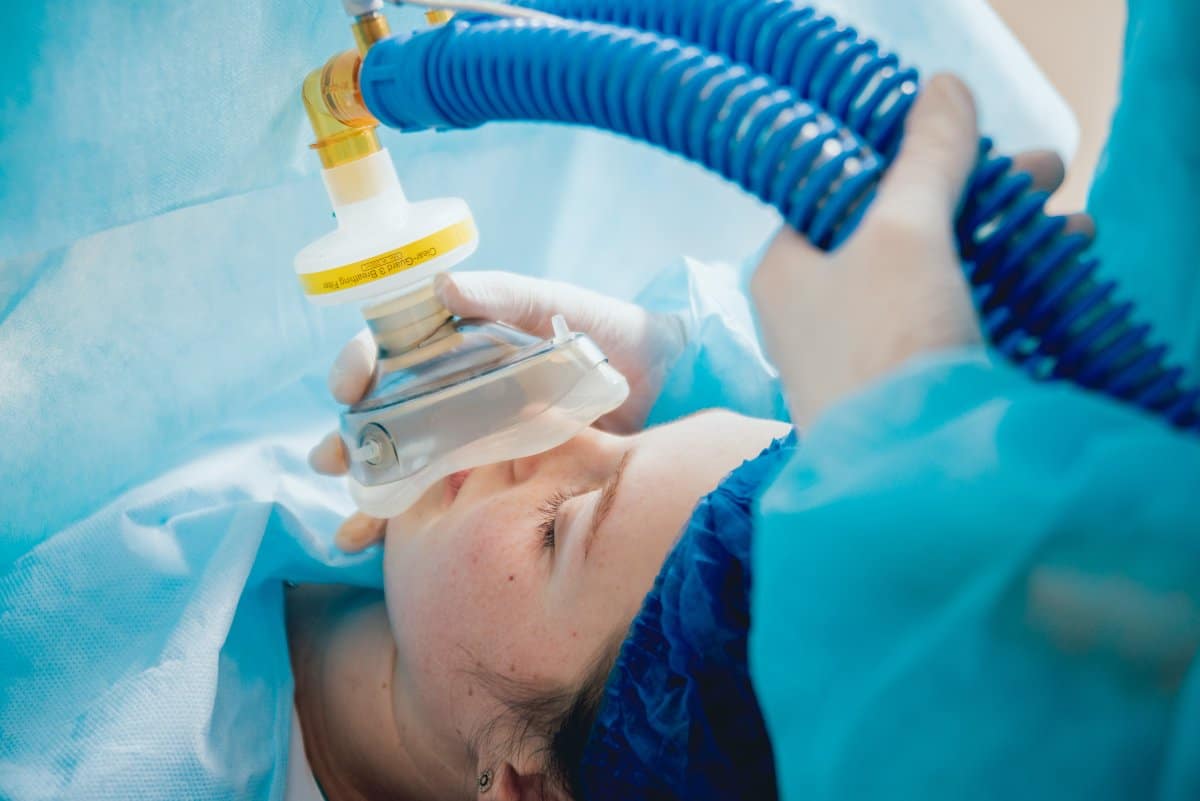 People who are going to have surgery trust that they will be safe and watched over the whole time. That trust has a lot to do with anesthesia. It helps control pain, keeps patients asleep during certain procedures, and allows surgeons to perform operations safely.
Unfortunately, if something goes wrong with the anesthesia, the effects can be harmful and, in some cases, permanent. If this happens to you, talking to a Seattle medical malpractice lawyer can help you understand your rights and what to do next.
What is anesthesia?
Putting someone to sleep is only one part of anesthesia. It is a medical procedure that is very carefully planned. A trained professional, usually an anesthesiologist or nurse anesthetist, must decide what kind and how much medicine to give based on the patient’s age, weight, health history, and the type of procedure being done.
There are many kinds of anesthesia. Some make you fully unconscious, while others only numb a certain part of your body. No matter the type, it must be given with care. The medical team also needs to keep a close eye on the patient at all times to ensure their breathing, heart rate, and oxygen levels remain stable.
Anesthesia affects the brain and other vital organs directly, so even small mistakes can have big effects.
Common types of anesthesia errors
Anesthesia errors can take place after, during, or before a procedure. Some mistakes happen because of human error, while others happen because of poor communication or inadequate monitoring.
Some of the most common mistakes during anesthesia are:
- Administering too much anesthesia: Giving someone an overdose of anesthesia can slow or stop their breathing, dangerously lower their blood pressure, and cut off the flow of oxygen to their brain.
- Administering too little anesthesia: If a patient doesn’t get enough anesthesia, they might wake up or become aware during surgery, which is both painful and traumatic.
- Not monitoring vital signs: During procedures, patients need to be closely watched. Changes in breathing, heart rate, or oxygen levels that aren’t quickly caught can lead to serious harm.
- Delayed response to complications: If a problem arises and the medical team doesn’t act immediately, the patient’s condition can worsen.
- Not treating allergic reactions: Some patients are allergic to certain drugs. Failing to review a patient’s medical history or respond quickly to a reaction can be dangerous.
- Misintubation: Putting a breathing tube in the wrong way can block airflow or damage the airway.
If these mistakes aren’t fixed, they could cause serious and long-lasting damage.
How anesthesia errors can cause serious harm
When anesthesia is not handled correctly, the body may not get enough oxygen. This is one of the most dangerous outcomes. The brain needs a constant supply of oxygen to function. Even a few minutes without enough oxygen can lead to permanent brain damage.
Some patients may suffer from cognitive problems, memory loss, or personality changes. Others may experience physical effects, such as loss of movement or coordination. In the most serious cases, lack of oxygen can lead to coma or death.
Organ damage is another risk. The heart, kidneys, and lungs can all be affected if blood pressure drops too low or oxygen levels are not maintained. These injuries can require long-term care and may never fully heal.
In some cases, patients experience emotional trauma. Waking up during surgery or feeling pain while unable to move can lead to anxiety, depression, or post-traumatic stress.
How do anesthesia errors happen?
Some anesthesia errors may be preventable when proper medical standards are not followed. Poor planning, not paying attention, or problems with communication between the medical team can all be contributing factors.
For instance, a provider might not look over all of a patient’s medical history. This can mean missing important information, like allergies or pre-existing health problems. In other cases, alarms may be ignored, or equipment may not be checked properly.
Problems with staffing can also be a factor. If a provider is in charge of too many patients at once, they might not be able to keep an eye on each one closely enough. Long hours and exhaustion can also make mistakes more likely.
Not every bad outcome means someone was careless, but many anesthesia errors happen because the care didn’t meet medical standards.
How are anesthesia error cases evaluated?
Anesthesia error cases can be complex. It is not always obvious what went wrong or who was responsible. Medical records, monitoring logs, and reports from the procedure must be carefully reviewed.
Expert testimony is usually required in Washington medical malpractice cases to explain the standard of care and whether it was violated. Medical professionals are often called in to explain what should have happened and if the care given was up to par.
These professionals might look at things like how much anesthesia was given, how the patient was monitored, and how quickly the team dealt with any problems. Their opinions help determine whether the provider failed to meet the standard of care and whether that failure caused the injury.
In a lot of cases, more than one person may be involved. This could be an anesthesiologist, nurses, the hospital, or even the people who make the equipment.
What should I do if I suspect an anesthesia error?
You should take the situation seriously if you or someone you care about has been hurt during a medical procedure. Taking action early can help keep you healthy and protect your legal rights.
Get medical help right away, especially if you start to feel sick after the procedure. Watch for any changes in your health, whether they are physical or mental.
It is also a good idea to keep records and information about the procedure. This could include discharge papers, follow-up visits, and any other time you talk to the hospital or doctors.
A Seattle medical malpractice lawyer can help you figure out if the care you got was below the standard. If negligence is found, a lawyer can review your case, work with medical professionals, and help you pursue compensation if negligence caused your injury.
Holding medical providers accountable
When anesthesia errors cause harm, the impact can last a lifetime. Patients may have to keep getting medical care, lose money, and deal with emotional issues that make their daily lives harder.
It’s not just about money when it comes to holding medical providers responsible. It can also help keep other people from making the same mistakes in the future. Taking legal action might make hospitals and providers work harder to improve how they perform procedures, train their staff, and keep an eye on things.
If you suspect that an anesthesia error caused your injury, you should start asking questions and exploring your options.
Discuss your case with a Seattle medical malpractice lawyer
If you or someone you love has been affected by an anesthesia error, you do not have to handle it alone. A Seattle medical malpractice lawyer can help you understand your rights and what steps to take next.
Call Smith McBroom Injury and Accident Lawyers or fill out our online contact form to find out more about your options.